
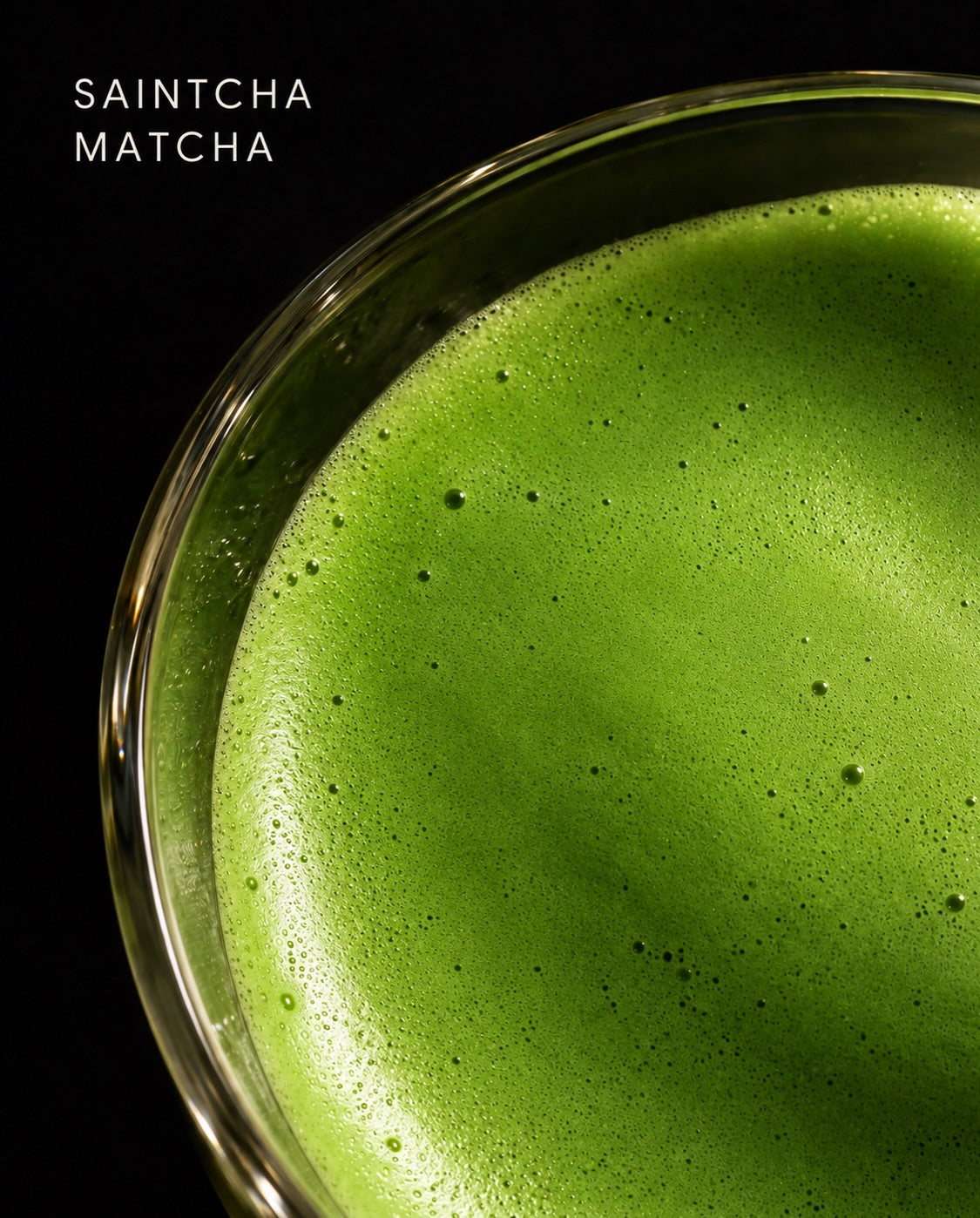
Buy Yamamasa Koyamaen for everyday lattes and soft, nutty usucha at a lower price: Matsukaze or Samidori, $30 to $32 a tin. Buy Marukyu Koyamaen for a deeper ladder of grades, koicha and a brighter cup: today only the Wako 100g pack ($125) is left, with 2 remaining, and the 40g ($52) is sold out. Both are family tea houses in Ogura, Uji.

Yamamasa vs Marukyu Koyamaen at a glance
| Yamamasa Koyamaen | Marukyu Koyamaen | |
|---|---|---|
| Home | Ogura, Uji, Kyoto | Ogura, Uji, Kyoto |
| Roots | Family tea farm since the Edo period; commercial sales from 1861 | Tea work in Ogura from about 1704 |
| Matcha in the lineup | 11, from Matsukaze to Chajyu no Mukashi | 18 at Sazen Tea, from Aoarashi to Tenju |
| Can size | 30g tin, 100g bag | 40g tin, 100g bag |
| Entry grade, Kyoto price | Matsukaze, $14.04 for 30g ($0.47/g) | Aoarashi, $21.60 for 40g ($0.54/g) |
| Known for | Soft, nutty usucha; Samidori cultivar; early canned matcha | Competition record; wide koicha range |
| In stock at SAINTCHA today | Matsukaze, Samidori, Yomo no Kaori (30g); Matsukaze and Yomo 100g | Only Wako 100g (last 2); all other tins sold out |
Kyoto prices from Sazen Tea's Yamamasa Koyamaen and Marukyu Koyamaen pages, checked November 19, 2026, before shipping from Japan; shown only to rank grades. SAINTCHA prices and stock from saintcha.com on November 22, 2026.
Most pages that compare these two houses stop at "both are good, both are from Uji." That is true and not very useful. This guide puts the two lineups on one price-per-gram ladder, shows which grades are near twins, and tells you which house to pick for the way you drink. If you already know you want Yamamasa, our Samidori vs Matsukaze vs Yomo no Kaori guide goes tin by tin.


Are they the same company?
No. They are two separate, family-run tea houses that both carry the Koyama family name and both sit in Ogura, a district of Uji that has grown tea for centuries. Kettl, a US importer, writes in its profile of Masayoshi Koyama that the two houses share family roots and that the branches went their separate ways long ago. Today they have their own gardens, their own blenders and their own names for every tea.
Marukyu Koyamaen says on its company page that founder Kyujiro Koyama began tea work in Ogura in about 1704. It lists 22 first prizes at Japan's National Tea Competition and supplies hotels, temples and tea schools.
Yamamasa Koyamaen farmed tea in Ogura from the Edo period and began selling commercially in 1861, according to Japanese Tea Pedia. A former head of the house, Koyama Masajiro, helped select the Samidori cultivar, now one of the classic tea plants for matcha. Sazen Tea credits Yamamasa with the industry's first matcha plant with refrigerators used only for tea, and with selling the first canned matcha.
One practical difference for US buyers: Sazen notes that Yamamasa sells wholesale and does not deal directly with foreign companies, so its tins reach the US through resellers. That is part of why you see Yamamasa less often than Marukyu on US shelves.
How do the two lineups line up?
The houses use different can sizes, 30g for Yamamasa and 40g for Marukyu, so comparing tin prices directly is misleading. Here is the lower half of both lineups by Kyoto price per gram:
| Price per gram (Kyoto) | Yamamasa Koyamaen | Marukyu Koyamaen |
|---|---|---|
| $0.47 | Matsukaze | |
| $0.54 | Aoarashi | |
| $0.58 | Samidori | |
| $0.65 | Isuzu | |
| $0.76 | Yomo no Kaori | Chigi no Shiro |
| $0.94 | Ogurayama | |
| $0.97 | Yugen | |
| $1.19 | Wako | |
| $1.51 | Senjin no Mukashi ($1.30) | Kinrin |
Calculated from Sazen Tea 30g and 40g can prices on November 19, 2026. All teas above are usucha grades except Kinrin and Senjin no Mukashi, which are sold for both usucha and koicha.
Three things stand out. First, Matsukaze is the most affordable grade of either house, which is why it makes such a sensible daily latte tea. Second, Yomo no Kaori and Chigi no Shiro sit at exactly the same price per gram in Kyoto, so they are the closest thing to a like-for-like pair across the two houses. Third, Marukyu's ladder keeps going much higher: Wako, Kinrin, Unkaku and the koicha grades above them have no Yamamasa twin at SAINTCHA.
The Marukyu Koyamaen matcha chart covers every Marukyu tin, use and stock status in one table.
How does the house style differ?
These are general house styles drawn from the producers' and importers' own descriptions, not a side-by-side tasting.
Yamamasa: soft, nutty, forgiving
Kettl describes the Yamamasa style as a fragrant, nutty nose with notes of green almond and toasted nori. The everyday grades are rounded and easy, with gentle bitterness. Samidori is grassy with a nutty edge, Matsukaze is clean and balanced and keeps its green flavor under milk, and Yomo no Kaori is the aromatic one for whisking with water.
Marukyu: bright, clear, structured
Marukyu's everyday tins lean brighter and more defined. Aoarashi is known as a bold latte tea with a confident green flavor. Wako, the only Marukyu tea we have left today (the last 2 of its 100g packs), is a smooth usucha with a gentle, grassy aroma, a balance of sweetness and mild bitterness and a clean finish. Higher up, Kinrin and Unkaku move into thick koicha territory, which Yamamasa also makes but at a higher step of its own ladder.

Where each house wins, honestly
- price: its entry grades cost less per gram
- lattes on a budget: Matsukaze 100g is about $1.58 a bowl here
- availability: all three everyday tins are in stock today
- a soft, nutty cup that forgives water that is a little too hot
- range: 18 matcha, from daily usucha to rare koicha
- a public competition record and wide use in tea schools
- a brighter, more structured bowl
- name recognition, if you are buying a gift
The trade-off is real. Marukyu's popular everyday tins sell out quickly in the US: at SAINTCHA today, every Marukyu tin except the Wako 100g pack is sold out, including Aoarashi, Isuzu, Chigi no Shiro, Yugen, Kinrin and Unkaku. Yamamasa is easier to keep in your cupboard. If you need a tin that is here next month too, that matters as much as taste.
Which one should you buy?
| If you drink… | Buy | Cost per 2g bowl at SAINTCHA |
|---|---|---|
| Iced or hot lattes daily | Yamamasa Matsukaze 100g | $1.58 |
| Lattes and water, a few times a week | Yamamasa Samidori 30g | $2.00 |
| Usucha with water, aroma first | Yamamasa Yomo no Kaori 30g | $2.13 |
| Usucha with water, brighter and smoother | Marukyu Wako 100g (last 2) | $2.50 |
| Can't decide | Yamamasa Tasting Trio, 3 x 30g | about $1.96 |


For a first bowl of either, use 2g of sifted matcha and 70ml of water at 80°C (176°F), and whisk for about 15 seconds. Once open, keep the tin in the fridge and let it warm before you open it; our guide on how to store matcha explains why. Curious about thick tea? Usucha vs koicha covers which grades can take it.
FAQ
Is Yamamasa Koyamaen as good as Marukyu Koyamaen?
Grade for grade, yes. Both are long-established Uji houses. Yamamasa's entry grades are cheaper per gram and softer in style; Marukyu's range goes further up into koicha and leans brighter.
What is the Yamamasa equivalent of Marukyu Aoarashi?
For lattes, Matsukaze plays the same role: an affordable everyday grade that keeps its flavor in milk. In Kyoto it costs a little less per gram than Aoarashi.
Why are Marukyu Koyamaen tins so often sold out in the US?
Demand for the everyday grades is high and resellers restock in batches. Our restock tracker lists what is in and out at SAINTCHA, tin by tin.
Is SAINTCHA affiliated with Marukyu or Yamamasa?
No. SAINTCHA is an independent retailer in Seattle, not affiliated with either tea house. We sell original, factory-sealed tins and bags with the best-by date printed.
Do you ship in the US?
Yes, within the US only, from Seattle. Economy shipping is $6.99 and free from $100. All sales are final; if a tin arrives damaged or wrong, email a photo to support@saintcha.com within 7 days and we will replace it.
Waiting on Isuzu, Aoarashi or Kinrin?
One email the day your tin is back, nothing else.
Join the restock list