
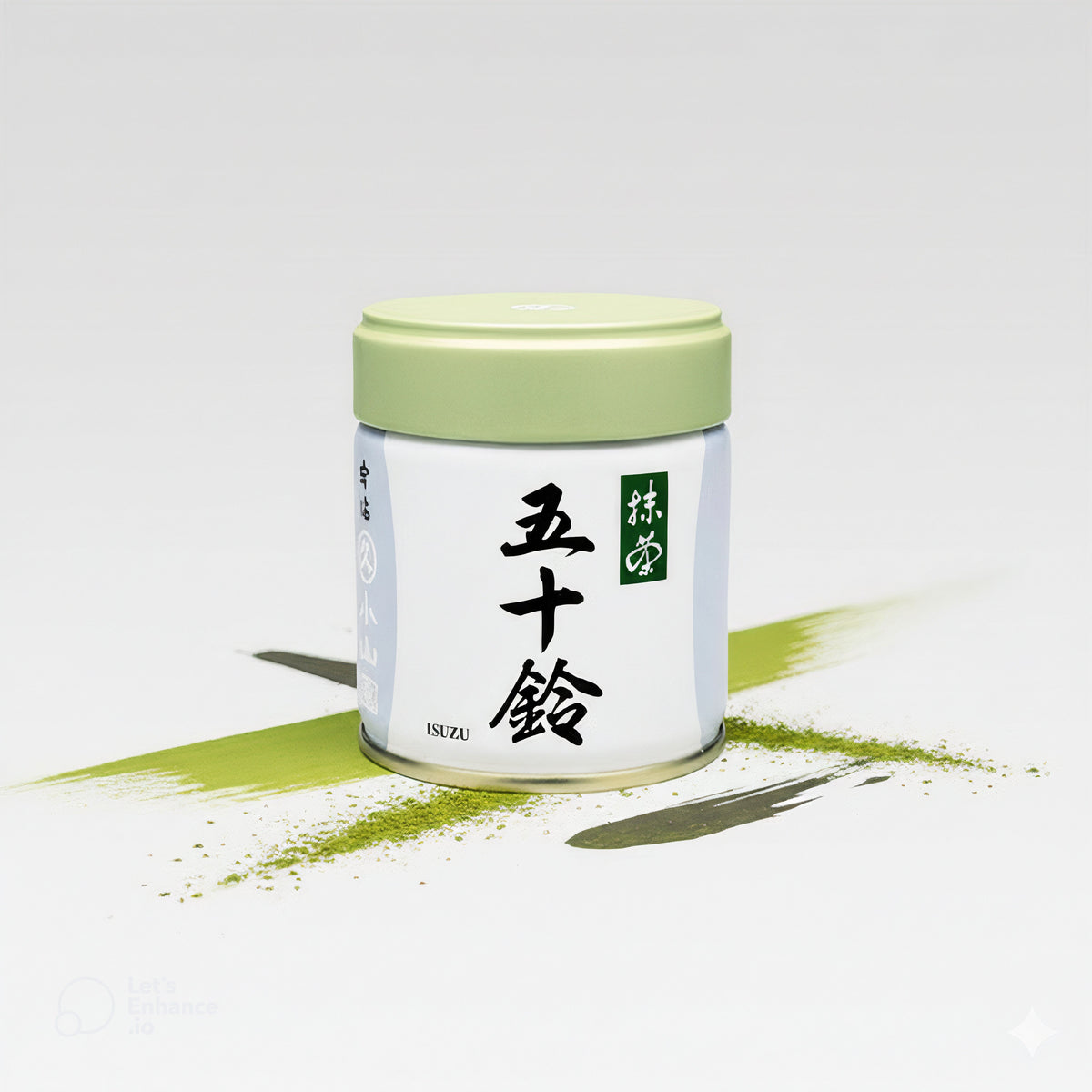
Short answer: in the US you can buy Marukyu Koyamaen matcha from US-based specialty shops that stock original sealed tins (like SAINTCHA in Seattle), from Japan-based online exporters that ship to the US, or from marketplaces such as Amazon and eBay. A US shop is usually the fastest and simplest; an exporter can have a wider range but now adds tariffs and import fees; marketplaces need the most care.
Marukyu Koyamaen is one of the best-known matcha houses in Uji, Kyoto, and its tins have become some of the hardest matcha to find in the US. This guide walks through each way to buy, what a fair price looks like, and how to make sure the tin you get is genuine.
Option 1: a US specialty shop
A US shop buys tins in bulk, imports them once, and ships to you from inside the country. You pay one US price, with no customs forms or surprise fees at the door, and delivery is measured in days rather than weeks.
Pros: fast domestic shipping, a US return and support contact, no import paperwork for you, and a price that already includes the cost of getting the tea here.
Cons: a smaller range than Japan has, and popular tins sell out quickly. The price is higher than the Japanese shelf price, because tariffs, freight and storage are built in.
This is what SAINTCHA does. We are an independent shop in Seattle. We resell original Marukyu Koyamaen tins, factory-sealed and never repacked, and each product page shows a best-by month. We are not affiliated with or endorsed by Marukyu Koyamaen. You can see the full range in our Marukyu Koyamaen collection.
Option 2: a Japan-based exporter
Several online shops in Japan sell Marukyu Koyamaen tea to overseas customers. They can carry teas that rarely make it to the US, and when stock is good their selection is hard to beat.
Pros: a wider lineup, and sometimes tins that are not sold in the US at all.
Cons: international shipping takes longer, and since late August 2025 shipments from Japan pay a 15% tariff with no $800 de minimis exemption. Depending on the shop and the carrier, those costs are either added at checkout or collected on delivery. Ask before you order, and add them to the price when you compare.
Option 3: Amazon, eBay and other marketplaces
Marketplaces list Marukyu Koyamaen tins from many sellers, from established shops to individuals reselling a few tins. Some listings are perfectly good. Others are old stock, repacked powder, or tins at a large markup during a shortage.
Pros: convenient, and sometimes the only place a sold-out tin appears.
Cons: it is hard to know how the tea was stored, and dates and seals are not always shown in photos. Our checklist on how to tell authentic matcha covers what to look for.
What a fair US price looks like
There is no official US price list, so the most honest benchmark is what US shops actually charge. Here are our own prices in October 2026, for comparison.
| Tea | Size | SAINTCHA price |
|---|---|---|
| Aoarashi | 40g tin / 100g bag | $37 / $57 |
| Isuzu | 40g tin / 100g bag | $42 / $67 |
| Chigi no Shiro | 40g tin | $42 |
| Yugen | 40g tin | $50 |
| Wako | 40g tin | $52 |
| Kinrin | 40g tin | $55 |
| Unkaku | 40g tin | $60 |
| Wakatake | 100g bag | $49 |
If you see a 40g tin listed for far more than this range, it is usually a shortage markup. If you see one for far less, check the date and the seal before you buy.
How to check that a tin is genuine
- The producer's name is on the tin. Genuine tins carry the Marukyu Koyamaen name and the Uji origin.
- The seal is intact. An original tin arrives sealed, the way it left the producer.
- There is a date. Look for a printed date on the tin, and ask the seller if the listing does not show one.
- Repacking is labeled. Repacked matcha is not automatically bad, but it should say so. Our own Aoarashi refills are packed by SAINTCHA in Seattle and labeled as SAINTCHA refills, never as the producer's original pack.
- The sizes make sense. Be careful with sizes the producer does not sell as a tin.
Our freshness and sourcing page explains how we store and date every tin from the producer to your door.
When do Marukyu Koyamaen tins restock?
There is no public restock calendar. Matcha houses release tea in limited lots, and the most popular 40g tins can sell out within days of arriving. We cannot promise dates, so the surest way to hear first is a restock alert. Our live restock tracker shows every tin and size we carry, built from our inventory each time the page loads, and each sold-out row has an "Email me when it's back" button.
Frequently asked questions
Does SAINTCHA sell genuine Marukyu Koyamaen matcha?
Yes. We sell the producer's original tins, factory-sealed and never repacked. We are an independent retailer and not an official or authorized dealer of the brand.
Will I pay import fees if I buy from SAINTCHA?
No. We ship from Seattle, so there are no customs forms or import fees on delivery.
How fast does a US order arrive?
We ship within 1 to 2 business days. Economy delivery takes about 5 to 8 business days and Standard about 3 to 4. In Seattle you can also choose free local pickup on Thursdays.
What if the tin I want is sold out?
Leave your email on that tin on the restock tracker and we will write when it is back. In the meantime, the compare page can help you find a close alternative that is in stock.